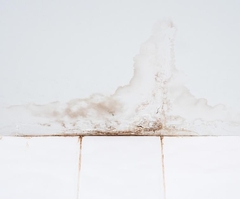
In the bustling hub of Boston, MA, both water damage and mold present a significant concern for homeowners and businesses. But how often do we pause to truly understand the distinction between these two? Exploring the differences illuminates why addressing one without the other can be problematic. It is crucial for anyone facing potential property damage to understand what each entails in order to pursue effective emergency restoration in Boston, MA. Whether you're a seasoned property manager or a new homeowner, comprehending these distinctions can be key to maintaining a safe and healthy environment.
Without proper intervention, what seems like a minor leak could escalate to extensive damage or a severe mold infestation. Distinguishing between water damage vs mold allows for more accurate approaches to remediation. Through exploring causes, effects, and solutions, this blog post seeks to arm you with knowledge that could save both time and resources.
Exploring Water Damage
Water damage occurs when water intrudes into your property where it should not be, causing issues that vary from minor discoloration to structural damage. It mainly arises from leaks, floods, or burst pipes. In situations where water damage is promptly and adequately addressed, the impact can be minimal. Nonetheless, neglect or inadequate repair often paves the way for more severe issues.
The immediate effects of water damage include soaked furniture, ruined electronics, and weakened structures. However, one of the stealthiest outcomes is mold growth, which can start to develop within 24 to 48 hours after water exposure. This makes immediate action and professional assessment critical. Services like those offered by DryBoston specialize in not only rectifying visible water damage but also preventing subsequent mold proliferation.
Understanding Mold
Mold refers to a type of fungus, and while it serves various roles in nature, its presence indoors is often undesirable. Mold thrives in damp environments, which is why neglected water damage can lead to significant mold infestations. If your property has experienced water intrusion, be it minor or extensive, the warm and humid climate of Boston provides an ideal breeding ground for mold.
Not all molds are sinister, but distinguishing between benevolent and harmful species requires professional insight. Mold can cause health issues ranging from allergic reactions to more severe respiratory problems. Spotting mold is not always straightforward, as it can grow behind walls or under surfaces, making it elusive and difficult to control without expert intervention.
The Interconnection
The relationship between water damage and mold infestation is intertwined. One often leads to the other if not properly addressed. When we talk about water damage restoration in Boston, and beyond, it encompasses both rectifying the immediate water intrusion and taking steps to prevent mold growth.
However, while they are interconnected, they require different remediation approaches. Water damage restoration focuses on the removal, drying, and repair of affected areas. Mold removal and remediation, on the other hand, involve identifying the type of mold, removing it, and implementing systems to prevent recurrence. DryBoston’s expertise in navigating these complexities ensures a comprehensive solution tailored to prevent a cycle of damage and regeneration.
Preventative Measures
The best defense against these adversaries is prevention. Regular maintenance, such as checking for leaks and ensuring proper ventilation, can significantly reduce the risk of water damage and mold growth. Here is a concise list to help mitigate these concerns:
- Regularly inspect plumbing systems for leaks.
- Ensure that drainage systems are clear and effective.
- Maintain proper indoor humidity levels.
- Conduct prompt repairs after storms or water intrusions.
- Consult professionals for routine checks, especially after apparent damage.
Implementing these proactive measures not only safeguards your property but also reduces potential expenses related to future remediation processes.
What to Do When Faced with Damage
If faced with water damage or suspected mold, immediate professional intervention is essential. While it might be tempting to attempt DIY solutions, the risks far outweigh the immediate savings. A botched repair can exacerbate the issue, leading to more extensive damage in the long run.
Professional services can offer tailored solutions. In Boston, options include fire damage restoration, mold removal and remediation, and biohazard cleanup. These comprehensive services not only address visible damage but offer preventative options to avoid similar issues in the future. Partnering with expert restoration companies like DryBoston ensures your home or business remains a safe, thriving environment.
Act Now, Protect Your Property
Understanding the distinction between water damage vs mold requires recognizing the nuanced relationship between these two issues. Acting fast with the right expertise prevents further damage. This guidance is not just theoretical; it's a practical roadmap for Boston residents.
In the Greater Boston area, taking preventive measures for water damage is more than a precaution - it's an investment in your property’s integrity. Professionals in your area bring a unique understanding of the local climate challenges that might affect how you handle such scenarios. DryBoston offers expert services in mold removal and remediation in areas like Newton. When you suspect a problem, connecting with our team ensures you receive the full spectrum of care and expertise needed for genuine peace of mind.
Ultimately, informed action is your greatest ally in resolving water damage and mold issues. DryBoston is ready to assist in this process, offering guidance and unparalleled service to ensure your property remains safe and resilient.