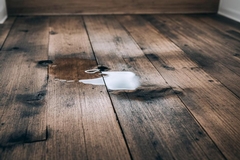
Water and wood have a complicated relationship. On one hand, water is vital for the health of trees, the very source of wood. On the other hand, when water meets hardwood floors, it can lead to a host of problems that threaten to destroy the appeal of these elegant surfaces. Water-damaged hardwood floors can become a major issue for homeowners, causing warping, discoloration, and even compromising structural integrity. This is a concern not only for aesthetic reasons but also for financial ones, as the cost of replacing flooring can be significant. Enter DryBoston, a premier damage restoration company in Boston and beyond, known for offering top-notch restoration solutions tailored to address these exact problems.
How, then, do we determine if water-damaged hardwood floors can be saved? The answer hinges on several factors, including the extent and duration of the damage. In this blog post, we'll delve into the causes of water damage to hardwood floors, explore the assessment and restoration process, and offer guidance on preventive measures to ward off future troubles. Whether you're dealing with minor spills or significant flooding, understanding these key aspects will arm you with the knowledge to tackle water damage effectively.
Key Causes of Water Damage to Hardwood Floors
Understanding the root causes of water damage is the first step in addressing the issue. Water damage to hardwood floors often results from a range of scenarios. Common culprits include leaky roofs, burst pipes, overflowing sinks, and even natural disasters like floods. Regardless of the source, the immediate impact on hardwood floors can be devastating, quickly leading to warping and stains.
Another major contributor is humidity. In places like Boston, MA, seasonal changes can lead to fluctuations in humidity that cause hardwood floors to expand and contract. Over time, this natural process can lead to gaps between floorboards and eventual water infiltration. Accidental spills and pet accidents, though seemingly minor, can also cause cumulative damage if not addressed promptly. While each cause presents its own challenges, awareness and prompt action are key in minimizing damage.
Assessing the Extent of the Damage
Once water has come into contact with hardwood floors, it’s crucial to assess the damage as quickly as possible. Knowing what to look for will help you determine if the floors are salvageable. One of the primary signs of water damage is discoloration. Stains or fading colors indicate that water has soaked into the wood fibers and dried up in patches. This may often be a cosmetic issue, but could also point to more severe internal damage.
Buckling or warping is a more severe sign of trouble. This occurs when the water has penetrated deep enough to cause the wood to swell, pushing up from the subfloor. It's crucial to address these issues promptly, as prolonged exposure can lead to irreversible damage. Look for cupping, where the edges of the flooring show an upward bend, or crowning, which results in a downward bend where individual planks create a convex shape.
Finally, assess the floors for any lingering odor. A musty smell may indicate mold growth, a common consequence of untreated moisture. If you suspect mold, it's vital to consult with professionals who offer water damage restoration in Boston and its nearby areas to not only fix the flooring but also to eliminate the health risks associated with mold spores.
Steps to Restore Water-Damaged Hardwood Floors
When you’ve identified water damage, acting swiftly and effectively can make the difference between a successful restoration and a costly replacement. Here's a methodical approach to dealing with water-damaged hardwood floors:
- Immediate Drying: Start by removing standing water with mops, towels, or wet vacuums. This prevents further absorption of moisture. Use fans and dehumidifiers to dry the area thoroughly.
- Floor Assessment: Consult professionals to evaluate the extent of the damage so they can suggest suitable restoration methods.
- Sanding and Refinishing: For minor damage, sanding the surface of the hardwood floors might suffice. This removes the top layers of damage, allowing for refinishing that restores the floor to its original state.
- Replacing Damaged Boards: In cases where damage is significant, some boards may need to be replaced entirely. Skilled technicians can replace only the necessary pieces, preserving as much of the original flooring as possible.
- Mold Remediation: If mold is present, seek professional mold removal and remediation services. This step is non-negotiable due to health concerns.
Restoration is a nuanced process that benefits greatly from professional expertise. Companies like DryBoston have the equipment and experienced staff to tackle these problems effectively, ensuring your home returns to its pre-damage condition.
Prevention: Safeguarding Against Future Water Damage
Prevention is always better than cure, and several practical steps can significantly reduce the risk of future water damage to your hardwood floors. Start by maintaining an optimal level of humidity in your home. Using a dehumidifier during humid months can prevent excessive moisture buildup. Similarly, during winters, ensure your home does not become too dry, causing the wood to contract and create gaps.
Regularly check and maintain your home’s plumbing and roof. These are common sources of water leakage, and early detection of any issues can save your floors from extensive damage. For homes in Boston, MA, where seasonal changes can be abrupt, paying attention to these elements is even more crucial.
Additionally, consider applying a water-repellent finish to your hardwood floors. This provides an extra layer of protection against accidental spills or minor flooding. Make retaining professional links with a damage restoration company in your area part of your long-term strategy for home maintenance.
Why Professional Intervention Is Key
While homeowners can tackle minor damage on their own, professional help is indispensable for more severe cases. Expert technicians have the training and tools necessary to evaluate the full extent of damage and execute repairs with precision. For instance, DryBoston's team is equipped to provide reconstruction services, not just fixing the visible signs of damage, but also addressing any underlying structural issues.
The professional's approach ensures that every aspect of the damage is dealt with comprehensively. This involves not just surface repair, but also addressing insulation, subfloor drying, and mold remediation if necessary. A thorough job today could save you from costly repairs tomorrow and provide peace of mind knowing your home is in expert hands.
The Importance of Local Expertise
Local expertise is an asset in tackling water damage, especially because Boston’s climate presents its own unique challenges. Professionals who understand local weather patterns can better advise on preventive strategies and necessary interventions. They know how specific conditions, like freezing winters and humid summers, can affect hardwood floors and implement solutions tailored to these challenges.
For example, they might recommend specific sealants or humidity controls that are effective in Boston’s conditions. By employing a local damage restoration company, you gain insights and services that are specific to your environmental needs, ensuring more effective and long-lasting results.
Partnering with DryBoston for Peace of Mind
Securing the longevity of your hardwood floors requires ongoing care and, occasionally, professional intervention. With DryBoston, a leader in water damage restoration in Cambridge and its surrounding vicinities, as your trusted partner, you'll have access to a full spectrum of services designed to meet your specific needs. Their experienced team offers tailored solutions for Boston’s unique climate, turning potentially overwhelming challenges into manageable tasks.
By investing in proactive maintenance and quick responses to any water damage, you can preserve the beauty and functionality of your hardwood floors. Whether you need a consultation, immediate intervention, or a long-term prevention plan, DryBoston has the expertise and resources to help you achieve your home maintenance goals. Don’t wait until water damage becomes an unmanageable problem. Reach out today to protect your hardwood floors with services designed to provide peace of mind and enhance your living environment.