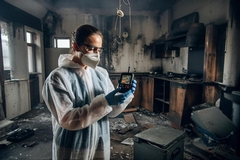
When something as devastating as a house fire occurs, the visible destruction is not the only concern - hidden dangers lurk in the air you breathe. After the flames are extinguished, indoor air quality testing becomes an essential step in ensuring your living space is truly safe and healthy. Indoor air quality testing after fire damage can reveal contaminants like soot, smoke, and chemical residues that can affect your health and the integrity of your home. Enlisting the expertise of disaster restoration services in Boston and its nearby cities can provide you with the knowledgeable support needed in these challenging times.
Fire may leave obvious marks on a property, but what it leaves behind in the air can be deceptive and dangerous. When addressing the consequences of a fire, it's critical to understand the significance of indoor air quality testing. This process assists in identifying and mitigating airborne pollutants that can have long-term impacts on health. While many homeowners focus on visible repairs, neglecting the quality of the air indoors can lead to respiratory issues and other health problems. In the sections below, we'll delve deeper into why such testing is necessary, what it entails, and how to ensure it is conducted effectively.
Understanding Indoor Pollution After Fire Damage
Unlike visible debris, air quality issues aren't immediately apparent and can be challenging to address. After fire damage, harmful particles such as soot and volatile organic compounds (VOCs) can persist in the air, potentially affecting residents long after repairs are completed. These pollutants can trigger allergies, asthma, and other respiratory ailments if not appropriately managed.
Indoor air quality testing after a fire evaluates the presence of these contaminants, providing a clear understanding of what measures need to be taken. Factors such as the materials burned, the extent of the fire, and even the methods employed to extinguish it can influence the types and concentrations of pollutants present.
The Process of Indoor Air Quality Testing
Conducting indoor air quality testing after fire damage is a systematic process. An initial assessment involves studying the extent of contamination, often beginning with visual inspections and extending to the use of specialized equipment like particulate detectors and chemical sensors. It's critical to identify any chemical residues that may have settled in the building materials or ductwork.
Regular testing throughout the mitigation process ensures that remediation efforts are effective. Certified professionals implement state-of-the-art technology to detect pollutants that could otherwise go unnoticed. When it comes to post-fire damage, partnering with a qualified team for fire damage restoration in Boston can guide you through each necessary step.
The Hidden Hazards of Soot and Smoke
Smoke and soot are more than just a visual concern; they are composed of complex chemical mixtures that can have severe health implications. Soot particles, which are microscopic, can penetrate deep into the lungs and bloodstream, potentially causing long-term issues. Smoke not only leaves a pervasive odor but is also a carrier for harmful chemicals, contributing to poor indoor air quality.
By prioritizing indoor air quality testing after fire damage, residents can identify and eradicate these hidden threats. Taking proactive measures in addressing these hazards is key to restoring a safe and healthy living environment.
Mitigation Strategies for Indoor Pollution
Understanding what contributes to poor air quality after a fire allows for targeted solutions. One of the effective strategies includes using high-efficiency particulate air (HEPA) filters that can capture even the finest particles. Alongside them, ozone machines and thermal fogging work to neutralize odors and restore freshness to the air.
Steps to address air pollution include:
- Engaging professionals for comprehensive air quality testing.
- Using air purifiers with HEPA filters.
- Ensuring thorough cleaning of HVAC systems.
- Implementing the use of safe cleaning solvents.
These strategies, supported by thorough testing, ensure that any harmful residues are effectively eliminated, paving the way for residents to safely re-occupy their homes.
Why Professional Testing is Essential
Trusting professionals with the task of restoring indoor air quality is crucial. They bring both expertise and the tools necessary to handle complex issues related to post-fire air contaminants. Professionals can provide extensive evaluations using tests for gases, particulates, and other potential allergens or pollutants.
Their reports can act as an important document not only to guide cleanup efforts but also to support insurance claims. Engaging skilled technicians for emergency plumbing in Boston and beyond as part of a restoration strategy can also help mitigate secondary damages caused by fire-damaged piping or water intrusion from firefighting efforts.
Living Safely After Fire Restoration
Once indoor air quality testing and restoration processes are complete, homeowners can breathe a sigh of relief - literally. A certified clean bill of air quality signifies that it is safe to return, yet continued vigilance is wise. Regular maintenance of HVAC systems and air purifiers can prevent future buildup of contaminants.
Our teams are equipped to handle extensive restoration services, including water damage restoration in areas like Newton, ensuring a comprehensive safety net against all potential post-fire impacts.
Utilizing professional indoor air quality testing after fire damage ensures thorough mitigation of air impurities, ultimately restoring not just the comfort of your home, but the health of those who inhabit it. Engaging services like those DryBoston offers, you can expect a dedication to transforming your environment back to a safe haven with expertise you can trust. Whether you need reconstruction, remediation, or tailored care post-crisis, DryBoston is prepared to assist with the skill and dedication required to reclaim your peace of mind. Reach out to us today!