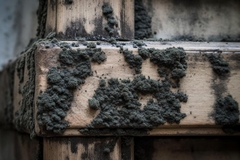
Mold can be an elusive intruder, creeping into your home silently and wreaking havoc on your wooden structures before you even realize it. Whether it's your floorboards or your furniture, wood is particularly susceptible to mold damage. So, what does mold on wood look like? This is a crucial question, particularly for homeowners in Boston, MA, where the climate can often create the perfect conditions for mold growth. With property damage restoration in Boston and beyond becoming a necessity for many, it's essential to understand how to spot mold early and take action before it becomes a more significant problem.
Early intervention not only helps preserve the aesthetic and structural integrity of your home, but it also saves time and money in the long run. This blog post will delve into what mold on wood actually looks like, explain why early detection is vital, and guide you through the steps you can take to prevent and address mold issues. By the end, you'll gain insights on how to effectively manage this common household challenge.
What Causes Mold to Grow on Wood?
Wood is an organic material that readily absorbs moisture, and where there's moisture, there's potential for mold growth. Mold spores are ubiquitous, floating invisibly through the air until they find an environment that supports their growth. In Boston's humid climate, it's easy for wood to absorb moisture from the air, especially in poorly ventilated areas like basements and crawl spaces. Once mold spores land on damp wood, they begin to grow, feeding on organic substances in the wood and causing damage over time.
To mitigate these issues, maintaining proper humidity and ventilation levels is vital. Consider ways to keep your home dry and free from excessive moisture, which can involve everything from dehumidifiers to more comprehensive ventilation systems. Knowing the contributing factors helps you be proactive in preventing mold development before it even starts.
Recognizing Mold on Wood: The Signs
Identifying mold at an early stage is crucial. So, what does mold on wood look like? The appearance of mold can vary depending on the type of mold and the conditions of the environment. Generally, you will notice discolorations on the wood. This might manifest as black, green, or even white patches that contrast with the natural hue of the wood. Spotting these patches is often the first clue that mold may be present.
Along with discoloration, mold often comes with a musty odor. If you smell something earthy or damp, even if you can't see any visible signs yet, it might be worth investigating further. Some types of mold can cause the wood to become softer or spongy to the touch, indicating deeper infiltration into the wood's fibers.
The Risks of Ignoring Mold
Ignoring the signs of mold can lead to substantial structural and health-related issues. Mold can undermine the integrity of wooden structures, increasing the risk of decay or collapse. From a health perspective, mold spores can aggravate allergies and respiratory issues, posing significant health risks, especially to those with preexisting conditions.
For homeowners, addressing mold early is not just about maintaining property value - it's about ensuring a safe and healthy living environment. If you suspect mold but aren't quite sure of its appearance, consulting an expert in mold removal and remediation could be a lifesaver for both your home and your health.
Proactive Measures to Spot Mold Early
Spotting mold early requires a keen eye and a proactive attitude. Regular inspections of wooden structures in your home are fundamental. Pay particular attention to commonly overlooked areas such as below your sink, within your attic, or around the edges of flooring where moisture might accumulate unnoticed.
Apart from visual inspections, consider utilizing technology such as moisture meters or professional services to determine potential issues before they manifest visibly. In Boston's variable climate, staying ahead with regular home maintenance can be a difference-maker in combating mold.
Steps to Take When You Find Mold
If you've determined that mold is present on your wood, swift action is paramount. Begin by containing the affected area to prevent mold spores from spreading throughout your home. Follow this with a thorough cleaning of the surface mold using appropriate fungicides or mold removal solutions. Remember, proper personal protection gear like gloves and masks is necessary when dealing with mold.
For more severe cases, or if you are unsure about handling mold, professional services for mold removal and remediation in Boston are recommended. These specialists have the tools and know-how to effectively and safely eradicate mold from your home, ensuring peace of mind.
Importance of Professional Insight
While minor mold issues can be addressed with at-home remedies, larger infestations often require professional intervention. Engaging with experts adept at water damage restoration services in Boston or those specializing in mold remediation provides solutions tailored to your specific situation. Professionals can not only solve the problem but also offer advice on prevention, ensuring mold does not return to your property.
Incorporating regular health checks of your home into your routine, alongside seeking professional help when necessary, can save you from dealing with the extensive damage that mold might cause. Professionals in biohazard clean up hold the expertise to tackle these challenges effectively, ensuring your home remains safe and secure.
Ensure Your Home Stays Mold-Free
It's clear that dealing with mold requires diligence, but the benefits of keeping your home mold-free are well worth the effort. By regularly checking and maintaining your property, you can preserve the integrity of your wooden structures, safeguard your health, and avoid costly repairs down the line. Remember, if ever in doubt, reaching out to experts in mold removal and remediation in Norwood and its nearby communities remains a sanctuary free of mold.
DryBoston, as a leader in property damage restoration, offers the expertise, experience, and resources necessary to address mold and other restoration challenges effectively. Don't let mold disrupt the safety and comfort of your home. Contact our team today to keep your property protected and your mind at ease.