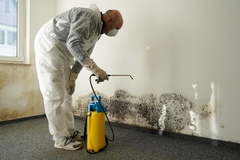
Mold. A simple word that can strike fear into the heart of any homeowner or business owner. Its presence in any indoor environment is not just unsightly; it can pose serious health risks and structural issues if not properly managed. This is why understanding what mold mitigation is is essential, especially for residents and businesses in Boston. Choosing the right approach with a trusted partner such as a damage restoration company in Boston, MA, can ensure your property remains safe and habitable. This article will delve into mold mitigation and explore why it should be your first priority when facing mold issues.
Embarking on the journey of mold mitigation requires a basic understanding of the problem at hand. Mold is stubborn and resilient. It often appears in damp, humid environments and can spread rapidly if conditions are favorable. This process can lead to significant damage, impacting the structural integrity of buildings and representing a health hazard to occupants. Therefore, an effective response is vital, starting with comprehensive mold mitigation. By the end of this article, you'll understand not only what mold mitigation entails but also why it is a critical step in ensuring the safety of your home or workplace.
Understanding Mold Mitigation
The first area of concern that needs to be addressed is what is mold mitigation? Mold mitigation is the process of identifying, containing, and removing mold from an indoor environment. This involves addressing the underlying moisture problems that allow mold to thrive and implementing measures to prevent its return. It’s not just about dealing with visible mold; it’s about ensuring that all hidden mold is discovered and treated.
A successful mold mitigation process typically involves several phases. Initially, a thorough assessment is conducted to ascertain the extent of mold growth and the sources of moisture that contribute to the mold issue. Skilled technicians will use specialized tools to detect mold hidden beneath surfaces or inside walls. Once the extent and source are identified, the actual mitigation process can begin, which involves containment of the affected areas to prevent mold spores from spreading during remediation.
Mold mitigation can be complex, particularly in areas like Boston, where seasonal weather fluctuations can contribute to varying levels of humidity and moisture. Given the city's unique climate, it’s imperative to choose experienced professionals who understand these dynamics and can offer tailored solutions. These professionals will ensure that the affected area is sealed off, mold is safely removed using protective equipment, and that any damaged building materials are replaced or repaired as needed.
Why You Should Prioritize Mold Mitigation
Now that we understand what mold mitigation is, let's explore why it should be prioritized. Ignoring mold growth is not an option. Here’s why:
- Health Implications: Mold exposure can be extremely harmful. For individuals with allergies, asthma, or a compromised immune system, mold can exacerbate these conditions. It can cause a wide range of symptoms, from headaches and fatigue to respiratory issues and skin irritation.
- Property Damage: Mold doesn’t just stop at superficial damage; it can compromise the structural integrity of buildings. As mold deteriorates building materials, it can lead to unsafe living or working conditions, causing expensive repairs over time.
- Increased Costs Over Time: Procrastinating on mold mitigation can result in the need for more extensive and costly repairs later. The longer the mold is left unaddressed, the more it will spread, compounding the damage.
Prioritizing mold mitigation ensures immediate health and safety, and it preserves the longevity and value of your property. By addressing mold issues promptly, you can avoid more severe problems and ensure your environment is clean and safe for everyone.
The Mold Mitigation Process: Step-by-Step
Understanding the steps involved in mold mitigation can further illustrate its importance. Here's a list that outlines the typical mold mitigation process:
- Inspection and Assessment: The professionals begin with a thorough inspection of your premises to identify all mold-affected areas and their moisture sources.
- Containment: A critical step to prevent further spore distribution. The area is sealed off using physical barriers and negative air pressure to contain mold.
- Filtration: HEPA filters are often used to clean the air of spores, allergens, and dust, improving air quality during and after the remediation process.
- Removal: Tackling the root of the problem, all mold-infested materials that cannot be cleaned are removed. This may include drywall, insulation, carpet, and wood.
- Cleaning and Sanitizing: All salvageable surfaces are thoroughly cleaned and sanitized. This step commonly involves applying specialized cleaning solutions or biocides.
- Restoration: Finally, any removed or deteriorated building materials are replaced to return your property to its original state—or better.
Beyond Mitigation: Prevention Is Key
While understanding what is mold mitigation and undertaking it promptly is essential, prevention remains a crucial part of long-term management. To effectively combat mold, one must adopt practices that deter its growth:
- Control Humidity: Use dehumidifiers in damp-prone areas, particularly in basements and attics, to maintain a stable and dry environment.
- Ventilate Properly: Ensure that your property has adequate ventilation. Kitchens, bathrooms, and laundry areas are particularly crucial, as they tend to produce more moisture.
- Fix Leaks Promptly: Right after water-related issues arise, such as a leak or flooding, it's critical to perform a water damage restoration in Boston and its surrounding areas, with immediate action to prevent mold from gaining a foothold.
Implementing these preventative measures is not just about addressing current mold issues - it's about preserving the longevity and safety of your home or business for years to come.
Making the Right Choice with DryBoston
Choosing the right partner for your mold mitigation needs can make all the difference. DryBoston, a leader in the city’s restoration industry, offers a suite of services that extend beyond simple mold mitigation. With expertise in everything from storm damage repair to air duct cleaning and more, DryBoston ensures comprehensive care for your property. For those in nearby areas, consider additional services like biohazard clean-up in the Wellesley area.
Taking the first step by contacting DryBoston can set your mind at ease and lead to a clean, healthy property. Don't let mold compromise your living or working environment. Reach out to DryBoston today to discuss your mold mitigation and restoration needs. This proactive approach will not only address current issues but also safeguard your property against future threats, ensuring peace of mind and long-term security.