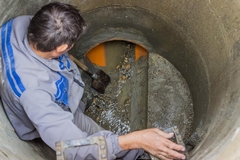
Sewage systems are integral components of urban infrastructure, quietly whisking away waste from homes and businesses. However, when these systems fail or when individuals are exposed unexpectedly, the consequences can be severe. Is sewage a biohazard? The answer is an emphatic yes. Sewage is replete with harmful pathogens and chemicals that pose significant health risks. Especially for residents and businesses in large cities like Boston, MA, where disaster restoration services are often sought, understanding these risks is crucial. In this post, we’ll delve into five specific health risks linked to sewage exposure and why understanding them is vital for maintaining health and safety.
Sewage spills or leaks, often seen during floods or infrastructure failures, can infiltrate homes or public spaces, creating a potential health crisis. The key to mitigating these dangers is awareness and prompt action to address any exposure. In Boston, disaster restoration services, including water damage restoration, can help mitigate risks associated with exposure. Sewage exposure doesn't just threaten individual health; it also has wider implications for community safety and the environment.
1. Gastrointestinal Infections
One of the most immediate risks posed by exposure to sewage is the potential for gastrointestinal infections. Sewage contains harmful bacteria, viruses, and parasites that can lead to conditions such as gastroenteritis, salmonellosis, and hepatitis A. When these pathogens are ingested, whether through direct contact with contaminated water or through food that has come into contact with sewage, they can cause severe digestive issues.
These infections are marked by symptoms like diarrhea, vomiting, and abdominal pain. Severe cases can lead to dehydration and the need for medical intervention. Considering the dense population and older infrastructure in cities like Boston, sewage exposure incidents can lead to community-wide health concerns. This is a key reason why rapid response from restoration professionals, offering services like water damage restoration in Boston, MA, is invaluable.
2. Respiratory Problems
Sewage exposure doesn't just impact the digestive system; it can also severely affect the respiratory tract. When sewage water evaporates, it carries with it various pathogens and molds that can be inhaled. This is especially concerning if sewage contamination happens indoors. Exposure to these airborne contaminants can lead to respiratory issues ranging from mild irritation to severe infections such as bronchitis or even pneumonia.
Inhalation of these microorganisms can be particularly dangerous for individuals with preexisting conditions like asthma or allergies, as well as for young children and the elderly. Therefore, mold removal and remediation in Boston and its surrounding regions is crucial in such scenarios. Companies like DryBoston provide comprehensive cleanup services that are vital in preventing the long-term health impacts associated with sewage exposure.
3. Skin Infections
Direct contact with sewage-contaminated water or materials can lead to a variety of skin infections. The skin acts as a barrier to pathogens, but when it comes into contact with contaminated water, it can become overrun by harmful bacteria or fungi. Conditions such as dermatitis or cellulitis can develop, particularly if there are cuts or abrasions on the skin that allow these pathogens to enter the body more easily.
Proper sanitation and immediate cleaning of affected areas can help reduce the risk of skin infections. However, in cases where exposure happens at a larger scale, reconstruction services are often needed to repair and restore the affected areas. This ensures not only that physical infrastructure is restored, but also that any biodegradation is properly addressed.
4. Toxic Chemical Hazards
Beyond biological pathogens, sewage can also contain hazardous chemicals such as heavy metals or industrial waste components. Exposure to these chemicals can lead to toxic reactions, especially with prolonged exposure. For both residential and industrial areas, these chemicals can seep into local water supplies, leading to long-term health risks such as organ damage or even cancer.
Residents and business owners in urban areas must be vigilant about potential contamination and rely on professional biohazard clean-up services when necessary. This ensures that hazardous materials are handled correctly, minimizing health risks and environmental damage. In cities like Boston, having reliable emergency services ensures quick and effective responses to such hazardous exposures.
5. Vector-Borne Diseases
Sewage exposure can also amplify the risk of vector-borne diseases. Standing water breeds mosquitoes and other pests that can transmit diseases such as West Nile virus or Zika virus. These are serious health concerns that have been known to cause outbreaks in certain areas following sewage exposure events.
Proactive measures include storm damage repair in Boston to prevent floodwaters from backing up sewers and creating environments conducive to pest breeding. Regular maintenance and infrastructure improvement also play a critical role in minimizing these risks. Having emergency plumbing services ready in Brookline and its nearby locations can help address immediate problems before they escalate into public health threats.
Why Choosing Professional Help is Essential
The complexities involved in addressing sewage exposure highlight the importance of expert intervention. Companies like DryBoston provide essential services to not only rectify immediate damage but also ensure comprehensive clean-up, preventing future risk. Their offerings extend beyond immediate disaster responses to include preventive measures and long-term solutions.
Maintaining awareness and taking proactive steps to prevent and address issues related to sewage exposure is not just wise but necessary. Whether it’s mold removal and remediation in Boston or preventative maintenance across Massachusetts, reaching out to professionals ensures you are safe from the potential long-term health risks associated with sewage exposure.
Is sewage a biohazard? Without a doubt. Addressing exposure promptly with the right measures and services is essential for individual and community health. If you ever experience sewage-related issues, consider contacting DryBoston for expert guidance and restoration services.