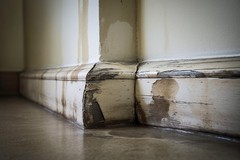
The trim running along the bottom of your walls does more than look tidy. Baseboards seal the gap between your walls and flooring, and because they sit at the lowest point of a room, they are often the very first place moisture shows up. A water damaged baseboard can be an early warning sign of a much bigger problem hiding behind your walls or beneath your floors, which is why paying attention to it matters so much.
Many homeowners walk past subtle changes for weeks before they realize something is wrong. By the time paint is peeling or a musty smell fills the room, moisture may have already spread. If you ever suspect a serious leak or flooding, reaching out for emergency restoration in Boston, MA quickly can be the difference between a minor repair and a major renovation. Below, we will walk through the warning signs, the common causes, and the solutions that actually work.
How to Spot a Water Damaged Baseboard
Water rarely announces itself with a dramatic flood. More often it creeps in slowly, and the baseboard is where the evidence collects. Learning to read those signals early gives you a real advantage, because moisture problems only get more expensive the longer they linger.
Start by looking closely along the base of your walls, especially in kitchens, bathrooms, laundry areas, and rooms near exterior walls. A water damaged baseboard will often reveal itself through discoloration, a change in texture, or a shift in how the wood feels to the touch. Trust your senses here. Sight, smell, and even a gentle press of the finger can tell you a lot.
Some of the most common signs include:
- Peeling, bubbling, or flaking paint along the trim
- Dark stains, water lines, or a yellowish tint on the wood
- Soft, spongy, or warped sections that feel different from the rest
- Separation where the baseboard pulls away from the wall or floor
- A persistent musty or earthy odor near the floor
- Visible mold spots or a fuzzy film at the base of the wall
If you notice any of these, treat it as a clue rather than a cosmetic annoyance. The baseboard is telling you that water has reached a place it should never be.
What Causes Baseboards to Absorb Water
Understanding the source is half the battle. A water damaged baseboard is almost always a symptom, and fixing the trim without addressing the root cause simply guarantees the problem returns. In Boston homes, where older construction and harsh seasonal weather are common, several culprits show up again and again.
Plumbing leaks are among the most frequent offenders. A slow drip under a sink, a failing supply line, or a leaking dishwasher can send water traveling along the floor until it soaks into nearby trim. Because these leaks are often hidden inside cabinets or behind appliances, the baseboard may be the first visible clue.
Exterior moisture is another major factor. Foundation cracks, poor grading, and heavy rain can allow groundwater to seep into basements and ground-floor rooms. High humidity also plays a role, especially in bathrooms without proper ventilation, where condensation gradually works its way into the wood. Finally, storm-related flooding and ice damming during New England winters can introduce large volumes of water quickly, damaging baseboards throughout a level of the home.
Why You Should Never Ignore the Problem
It can be tempting to wipe down a stain, touch up the paint, and move on. Unfortunately, a water damaged baseboard usually points to moisture inside the wall cavity or beneath the flooring, where you cannot see it. Drywall, insulation, and subflooring all absorb water readily, and once they stay damp, mold can begin developing within a day or two.
Mold is the biggest concern for most families. It spreads quickly, damages building materials, and can affect indoor air quality. Once colonies take hold behind the trim, addressing them often requires professional mold remediation in the Boston area rather than a simple cleaning. Beyond mold, prolonged moisture weakens wood, promotes rot, and can even compromise structural framing if left unchecked. What starts as a small stain on a baseboard can eventually mean replacing sections of wall and floor.
Solutions That Actually Fix the Damage
The right approach depends on how far the water has traveled and how long it has been present. The goal is always the same, though: stop the source, remove the moisture completely, and repair or replace anything that cannot be dried out. Skipping any of these steps invites the problem to come right back.
Step One: Stop the Source
Before any repair makes sense, the water has to stop. That might mean shutting off a valve, calling for emergency plumbing, sealing a foundation crack, or improving drainage around the home. If you cannot identify where the water is coming from, a professional moisture assessment can trace it for you using meters and thermal imaging.
Step Two: Dry Everything Thoroughly
Once the source is handled, the affected area needs to dry out fully, not just on the surface. Professionals use commercial air movers and dehumidifiers to pull moisture from the trim, wall cavity, and subfloor. This stage is where do-it-yourself efforts often fall short, because a baseboard can feel dry to the touch while the wall behind it stays saturated. Thorough drying is the foundation of lasting water damage restoration in Boston, MA.
Step Three: Repair or Replace
Lightly damaged wood may be salvageable after drying, sanding, and repainting. When a baseboard has warped, swelled, or grown soft, replacement is the smarter choice. In more serious cases, damaged drywall and flooring behind the trim also need attention, which is where reconstruction services help restore the room to its original condition. Matching the new trim to the rest of your home keeps the repair looking seamless.
Preventing Future Baseboard Water Damage
A little prevention goes a long way toward protecting your trim and everything behind it. Keep an eye on the areas most prone to leaks, and address small issues before they grow. Regularly inspect under sinks and around appliances, run bathroom exhaust fans during and after showers, and make sure water drains away from your foundation rather than pooling against it.
Managing indoor humidity is equally important, especially during humid summers and tightly sealed winters. A dehumidifier in the basement, well-maintained gutters, and prompt attention to any drip or spill will all reduce the chance of finding a water damaged baseboard down the road. Seasonal checks after major storms are a smart habit for Boston-area homeowners, since weather here delivers everything from heavy rain to snowmelt.
When damage does appear, acting quickly protects both your home and your budget. If you own property south of the city, our team also handles water damage restoration in Cambridge and its nearby regions, and we treat every call with the same urgency. Fast drying and proper repair keep small problems from turning into full renovations.
The bottom line is simple. Your baseboards often speak first, so listen to them. Peeling paint, soft wood, stains, and musty odors are all signals worth investigating, and the sooner you respond, the less you will spend and the healthier your home will stay. When you spot the signs and are not sure how deep the damage goes, reach out for a professional assessment so you can restore your home with confidence.