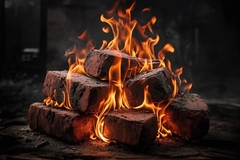
Red bricks have been a cornerstone of architecture for centuries, symbolizing durability and strength. Yet, despite their proven resilience, you might still wonder - can brick catch on fire under extreme conditions? This intriguing question not only sparks curiosity but is also relevant for anyone interested in property damage restoration in Boston and beyond. This field addresses a range of emergencies, often involving fire and smoke. Understanding the flammability of brick materials informs decisions vital for fire safety measures, especially in historical and new construction projects alike.
Bricks are celebrated for their fire-resistant properties, but this does not mean they are entirely impervious to intense heat. For restoration experts and property owners in Boston, it's critical to understand the limitations bricks may face. This blog enhances your knowledge by exploring how bricks react to fire, the science behind ceramic materials, and the ramifications for the restoration industry. So, grab a cup of coffee as we dive into the fiery furnace.
The Science Behind Brick and Fire Resistance
Why Bricks Resist Fire
Bricks are composed primarily of clay and water, materials that are hardened by exposure to extreme temperatures in kilns during manufacturing. This vitrification process transforms the clay into a ceramic material with negligible organic content - rendering the bricks non-combustible. Thus, the question "can brick catch on fire" usually has a straightforward answer: under normal conditions, bricks do not catch fire. They are crafted to withstand temperatures up to 2,000 degrees Fahrenheit, much higher than most building fires.
The Role of Insulation
One advantage of bricks is their thermal mass, which allows them to absorb and retain heat, thus acting as an insulating barrier. This property diminishes the chance of internal structural elements being exposed to direct flames. However, this insulating quality also points to a complex scenario: while bricks resist combustion, secondary effects like the transfer of thermal energy can still lead to potential damage in neighboring materials.
The Impact of Prolonged Exposure
Extreme conditions, such as prolonged exposure to high heat, can alter the internal structure of bricks. Over time, high temperatures can cause thermal expansion, which may lead to cracking. These structural changes can compromise the brick's integrity, making it critical for restoration teams to assess potential long-term damage following a fire event. With fire damage restoration services in Boston and beyond, expertise in evaluating such conditions ensures that buildings maintain their structural soundness while undergoing repairs.
Real-World Scenarios: When Brick Meets Extreme Conditions
Historical Buildings and Fire Risks
Boston, with its rich historical architecture, presents unique challenges. Older structures often incorporate bricks exposed to decades, if not centuries, of weathering and occasional renovations. When fire incidents occur, these bricks may react differently than newer materials. Restoration efforts must consider not only the immediate effects but also historical preservation guidelines. A nuanced understanding of how brick reacts to fire-related stresses informs these complex decision-making processes.
Modern Architectural Concerns
In modern constructions, bricks are combined with various materials - each with different thermal properties. While the bricks themselves may not catch fire, adjacent materials might, affecting the overall structural integrity. Here lies a significant conundrum: can bricks catch on fire indirectly through contact with burning materials? Technically no, but the efficacy of a brick's fire resistance diminishes if surrounding materials ignite, emphasizing why comprehensive fire safety measures are crucial.
Myths and Misconceptions
A common myth suggests that brick buildings are completely fireproof, owing to the primary feature that bricks do not combust. However, the truth is more nuanced. The survivability of a brick structure in a fire depends on numerous factors, including building design, the quality of materials used, and the effectiveness of additional fireproofing methods.
Preventive Measures and Restoration Solutions
Advanced Fire Safety Techniques
For residents and business owners in Boston, the integration of cutting-edge fire safety technologies can enhance brick structures' resilience. These might include smoke detectors, sprinkler systems, and fire-retardant materials in building design. More than just ensuring safety, these preventive approaches play a vital role in mitigating potential damage and reducing the need for extensive restoration services.
Importance of Regular Inspections
Routine inspections serve as a proactive measure in identifying vulnerabilities in brick structures prone to fire risks. Property owners can partner with restoration experts like DryBoston to assess their buildings regularly, ensuring adherence to safety standards while planning for renovation or upgrades. Professionals understand that preventative maintenance can significantly extend the lifespan of building materials.
Quick Recovery Actions
Despite proactive measures, fire incidents can occur unexpectedly. In such cases, immediate action is critical. Quick responses, such as cooling exposed bricks and assessing structural damage, prevent further deterioration. Effective plans for immediate restoration and repair can preserve valuable time and resources.
Restoration Expertise: Your Fire Safety Ally
In the realm of restoration, expertise goes beyond mere technical knowledge. Companies like DryBoston offer comprehensive solutions tailored to meet the unique needs of any structure. With services like water damage restoration in Brookline, these professionals provide the assurance that properties damaged by fire will be restored efficiently and effectively. Offering expert advice, these specialists empower homeowners and businesses to make informed decisions regarding their buildings' structural health.
Your Path Forward
For homeowners and building managers alike, understanding the heat resistance of bricks is essential. Not only does it provide peace of mind, but it also enables more informed decisions about construction and renovation projects. If you find yourself questioning, "Can brick catch on fire?" remember that while the materials themselves are non-combustible, extreme conditions can still challenge their integrity.
It's worth considering how partnering with a team like DryBoston can help prepare for the worst by offering comprehensive restoration solutions. With a focus on water damage restoration in Cambridge and beyond, their expertise shines through in crisis situations. When every moment counts, having a reliable partner ensures your properties are restored to their original state while minimizing potential losses.
In the end, whether you are revamping a historic building or embracing modern designs, understanding the limits and capabilities of your building materials is critical for long-term safety. Rely on DryBoston to serve as your guiding light in the marshy waters of restoration, ensuring that you receive not only top-tier services but also the assurance of expert care.