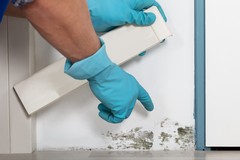
Mold can begin growing within 24 to 48 hours of a water intrusion, which means the clock starts ticking the moment a pipe bursts, a basement floods, or a storm pushes water through your roof. Many homeowners dry the visible mess, breathe a sigh of relief, and assume the problem is solved. Unfortunately, the moisture that soaks into drywall, subfloors, and insulation often lingers long after the surface looks dry, and that hidden dampness is exactly what mold needs to take hold. That is why it is so important to know how to check for mold after water damage before it becomes a larger, more expensive headache.
At DryBoston, we have seen how a small oversight after a leak can turn into a widespread mold issue weeks later. Whether you are dealing with a minor spill or a major flood, understanding where mold hides and how to spot the early signs puts you in a far better position. If the situation feels bigger than you can handle, our disaster restoration services in Boston, MA are available to step in, but there is plenty you can do yourself to stay ahead of the problem.
Why Mold Loves Water Damage
Mold spores are everywhere in the air, both indoors and out. They are harmless in small amounts, but they only need three things to multiply into a visible colony: moisture, an organic food source, and time. After water damage, your home suddenly offers all three. Wet drywall, wood framing, carpet padding, and insulation are rich food sources, and standing or absorbed water provides the moisture.
The tricky part is that mold rarely announces itself right away. It often starts behind walls, under flooring, or inside cabinets where airflow is limited and dampness stays trapped. By the time you notice a musty smell or a discolored patch, the growth may already be well established. This is precisely why a careful inspection matters more than a quick glance.
Where to Look When You Check for Mold After Water Damage
When you set out to check for mold after water damage, start with the areas closest to the original source of water and work outward. Water travels along the path of least resistance, so damage can appear several feet away from where the leak began. Pay close attention to low points, corners, and any material that stayed wet for more than a day.
Focus your inspection on these common trouble spots:
- Behind and beneath baseboards, where water wicks upward into drywall
- Under carpets and padding, especially at seams and along walls
- Inside and under sink cabinets, around plumbing connections
- Basement walls, floors, and anything stored directly on the concrete
- Attic sheathing and insulation after roof or storm damage
- HVAC ducts and around vents, where humidity collects
Use your senses as much as your eyes. A persistent earthy or musty odor is one of the earliest indicators of hidden growth, even when nothing looks visibly wrong. Discoloration that appears black, green, gray, or white, along with warped or bubbling paint, can all point to moisture still trapped behind the surface.
Tools That Help You Catch Hidden Moisture
Your eyes and nose will catch a lot, but moisture meters and thermal imaging tools reveal what stays hidden. A moisture meter pressed against drywall or wood gives a reading of how much water remains inside the material. Readings well above the surrounding dry areas signal a spot that has not fully dried and could support mold. Thermal cameras highlight cooler, damp areas behind walls and ceilings without any demolition.
Most homeowners do not own this equipment, and that is perfectly fine. A simple approach is to monitor suspicious areas over several days. If a spot stays cool to the touch, feels damp, or continues to smell musty after you have run fans and dehumidifiers, it deserves a closer professional look. When you want certainty, a trained technician can test and document moisture levels throughout the affected space so nothing gets overlooked.
Acting Fast Makes All the Difference
The single most effective way to prevent mold is to dry everything thoroughly and quickly. Removing standing water, pulling up saturated materials, and running air movers and dehumidifiers around the clock can stop spores from ever gaining a foothold. The faster the structure dries below the moisture threshold mold needs, the lower your risk.
Timing is everything here, which is why prompt flood and water damage restoration response is so valuable after a significant event. Professional drying equipment moves far more air and pulls far more humidity than household fans, and that difference can be the deciding factor between a clean recovery and a mold problem. If you have experienced extensive flooding, our team providing water damage restoration in Boston, MA can assess the full extent of saturation and dry the structure properly.
When You Find Mold, What Comes Next
If your inspection turns up actual mold growth, resist the urge to simply paint over it or wipe it away with household cleaner. Surface cleaning often leaves the roots behind and can release spores into the air, spreading the problem to new areas. Small patches on non-porous surfaces may be manageable, but anything larger than a few square feet, anything inside walls, or anything accompanied by ongoing moisture calls for professional attention.
Proper remediation involves isolating the area to prevent cross-contamination, removing affected materials safely, treating the space, and confirming that the underlying moisture issue has been resolved. Our specialists handle mold removal and remediation in Boston and beyond with containment and drying practices designed to address the root cause rather than just the symptom. For homeowners in neighboring towns, we also provide mold removal and remediation in Dedham, MA, so help is close no matter where the water found its way in.
How to Stay Ahead of Future Problems
Once the immediate crisis is behind you, a few habits go a long way toward keeping mold out for good. Keep indoor humidity in a comfortable range, ideally below sixty percent, and use dehumidifiers in basements and other damp-prone spaces. Address plumbing leaks and roof issues the moment you notice them rather than waiting. After any future water event, remember to check for mold after water damage within the first couple of days, not weeks later.
It also helps to know your home's vulnerable spots before trouble strikes. If you have a basement that floods during heavy rain or a bathroom that never quite dries out, those are the places to monitor most closely. A little preventive attention saves a great deal of repair work down the road.
Water damage is stressful enough without the added worry of hidden mold, but you do not have to face it blind. By drying quickly, inspecting thoroughly, and knowing where moisture likes to hide, you give yourself the best chance of stopping mold before it ever starts. And when you check for mold after water damage early and carefully, you protect both your home's structure and your family's comfort.
If you discover more than you can handle, or you simply want peace of mind that the job was done right, the team at DryBoston is ready to help across Boston and the surrounding areas. Reach out for a thorough assessment, and let us make sure your home comes back dry, clean, and healthy.