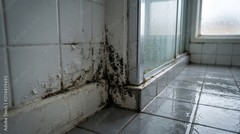
A single loose tile or a soft spot behind the shower can send homeowners straight to the worst-case scenario: ripping out the entire wall. Before you grab the sledgehammer, take a breath. Not every stain, bubble, or cracked grout line means a full demolition. In many cases, you can repair bathroom wall water damage with targeted fixes that save you money, time, and the stress of living through a major renovation.
At DryBoston, we have seen plenty of bathrooms that looked like total losses but only needed focused attention. The key is knowing what is actually happening behind the surface and acting before moisture spreads. If the damage runs deeper than expected, our team offers professional disaster restoration services in Boston and the nearby towns to handle everything from drying to reconstruction. But let us start with what you can assess and address on your own.
How to Tell the Difference Between Surface Damage and Structural Trouble
The first step is figuring out whether the problem is cosmetic or something more serious. Surface issues tend to stay on top of the tile and grout. Think discolored caulk, minor mildew, or a few grout lines that have cracked and let in moisture. These are common in bathrooms because the space sees constant humidity and splashing, and they are usually straightforward to fix.
Deeper trouble shows up differently. If you press on a wall and it feels spongy, if tiles shift or sound hollow when tapped, or if you notice a musty odor that lingers no matter how much you clean, water has likely reached the backing material behind the tile. Drywall, greenboard, and wood framing can absorb moisture and weaken over time. Catching the distinction early is what makes it possible to repair bathroom wall water damage without a complete overhaul.
Simple Repairs You Can Tackle First
When the damage is contained to the surface, a few focused repairs often restore both function and appearance. Regrouting and recaulking are the most common fixes. Over time, grout erodes and caulk pulls away from seams, creating gaps where water sneaks behind the tile. Removing the old material, cleaning the area thoroughly, letting it dry completely, and applying fresh waterproof grout or silicone caulk can seal the wall back up and stop the leak at its source.
Loose or cracked individual tiles can sometimes be reset or replaced without disturbing the surrounding ones. If the backing underneath is still solid and dry, you can remove the damaged tile, scrape off the old adhesive, and set a new one in place. The trick is making sure the area behind it has not already been compromised. A tile that keeps popping loose is often a sign that the substrate is wet and no longer holding adhesive, which means the repair needs to go deeper than the surface.
When the Damage Goes Deeper Than the Tile
Sometimes the surface looks fine but the wall tells a different story. Persistent moisture can rot wood framing, saturate drywall, and create the ideal environment for mold. In these situations, a cosmetic patch will not hold, because the underlying material can no longer support the tile or resist further water intrusion.
The good news is that even deeper damage does not always require tearing out the whole wall. Skilled restoration professionals can often open a small, controlled section, dry the cavity, treat any mold, and replace only the affected backing before retiling. This targeted approach preserves the majority of your bathroom while addressing the root of the problem. To properly repair bathroom wall water damage at this stage, the hidden moisture must be fully dried and the cause of the leak eliminated, whether that is a failing shower pan, a cracked supply line, or inadequate waterproofing from the original install.
Here are the signs that point to deeper damage worth a professional look:
- Walls that feel soft, warped, or bulging near the tub or shower
- A musty smell that returns after cleaning
- Dark staining that spreads or reappears
- Tiles that repeatedly loosen despite being reset
- Visible mold along grout lines or baseboards
Why Hidden Moisture Is the Real Enemy
The most frustrating part of bathroom water damage is what you cannot see. Water travels. A small leak at the top of a shower can migrate down studs and pool at the base of a wall, far from the original entry point. By the time a stain appears, the moisture may have already spread several feet. This is why surface repairs alone sometimes fail; they close the visible gap but leave trapped water behind the wall to keep doing damage.
Professionals use moisture meters and thermal imaging to map out exactly where water has traveled. That data makes it possible to dry the structure thoroughly and avoid unnecessary demolition. If mold has already taken hold, addressing it properly matters for both the structure and your indoor air quality. You can learn more about that process through our mold removal and remediation in Boston, which pair naturally with any serious effort to repair bathroom wall water damage.
When to Call in a Restoration Team
There is no shame in knowing when a project has outgrown a weekend fix. If you are dealing with widespread moisture, recurring leaks, a soft structure, or any sign of mold, bringing in experts early usually costs less than waiting until the damage forces a gut renovation. A restoration team can stabilize the situation, dry the area with commercial equipment, and rebuild only what needs rebuilding.
We proudly serve Boston and the surrounding communities, helping homeowners tackle everything from minor moisture problems to major losses. For residents a bit farther south, our specialists also provide water damage restoration in Braintree with the same careful, tile-saving approach. The goal is always to preserve as much of your existing bathroom as possible while making sure the problem is truly solved.
Repairing bathroom wall water damage does not have to mean starting from scratch. By identifying whether the issue is surface level or structural, handling minor fixes like regrouting and tile replacement promptly, and calling for professional help when moisture runs deep, you can protect both your home and your budget. The sooner you act, the more of your original tile and wall you are likely to save.
If you are unsure how far the damage has spread or you want a professional assessment before committing to any repair, reach out to our team for guidance. DryBoston is ready to help homeowners across Boston and nearby towns dry out, rebuild smart, and keep their bathrooms beautiful for years to come.