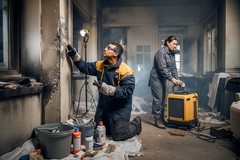
After a fire, one of the first questions homeowners ask is a simple one: when will life get back to normal? It is a fair thing to wonder, because the days following a fire are stressful, uncertain, and often overwhelming. If you have been searching for answers about how long does fire restoration take, you are not alone, and the honest response is that it depends on several factors unique to your property. At DryBoston, we provide disaster restoration services in Boston and throughout the area and have guided countless families and business owners through the recovery process from start to finish.
Every fire tells a different story. A small kitchen flare-up that leaves soot on a few cabinets is nothing like a structural fire that damages multiple rooms, electrical systems, and framing. Understanding the general phases involved, and what can speed up or slow down each one, will help you set realistic expectations and plan your next steps with confidence.
The Short Answer: A Range, Not a Single Number
Minor fire and smoke damage can sometimes be addressed in a matter of days, while extensive damage can stretch into weeks or even several months. A light soot and odor cleanup might wrap up in a few days to a week. Moderate damage affecting one or two rooms often takes a couple of weeks. Severe fires that require demolition, structural repairs, and full reconstruction can take two to six months or longer depending on the scope.
When people ask how long does fire restoration take, the variation comes down to the size of the affected area, the type of damage, how quickly the response begins, and whether reconstruction is needed. The faster the cleanup starts, the better the outcome tends to be, because soot and smoke residue become more corrosive and harder to remove the longer they sit.
The Phases of Fire Restoration
Restoration is not a single task. It is a sequence of carefully ordered steps, and each one must be completed properly before the next begins. Rushing through any phase can create problems later, which is why experienced crews follow a methodical process.
The first stage is the emergency response and inspection, which usually happens within hours of your call. A technician assesses the damage, identifies safety hazards, and develops a plan. Next comes securing the property, which may involve boarding up windows or tarping a roof to prevent further exposure to weather and intruders. Water removal often follows, since firefighting efforts typically leave standing water and saturated materials behind. This overlap with water damage restoration in Boston and beyond is one reason fire projects can be more involved than they first appear.
Once the property is stable, the real cleanup begins. Soot and smoke residue are removed from surfaces, belongings are cleaned or sorted, and specialized equipment tackles lingering odors. Finally, any damaged structural elements are repaired or rebuilt during the reconstruction phase, which restores your home to its pre-fire condition.
What Affects the Timeline
Several variables determine whether your project lands on the shorter or longer end of the range. The extent of the damage is the biggest factor, but it is far from the only one.
- Scope of damage: The number of rooms affected and the depth of soot, smoke, and water penetration directly influence how much work is required.
- Structural involvement: Projects that require rebuilding walls, floors, or roofing take significantly longer than surface cleaning alone.
- Insurance coordination: Claim approvals, adjuster visits, and documentation can add time, though a good restoration company helps streamline this.
- Material availability: Custom cabinetry, specialty flooring, or back-ordered materials can extend the reconstruction phase.
- Response speed: The sooner mitigation begins, the less secondary damage spreads, which keeps the overall timeline shorter.
Smoke odor deserves special mention. Even after visible soot is gone, odor can linger in porous materials, ductwork, and hidden cavities. Thorough deodorization using techniques like thermal fogging or ozone treatment takes time but is essential. Skipping it leaves a persistent smell that resurfaces for months, so this step should never be shortchanged.
Why Fast Action Shortens the Process
There is a direct relationship between how quickly restoration begins and how long the entire project lasts. Soot is acidic, and within hours it begins to etch and discolor metals, glass, and finishes. Within days, that damage can become permanent, turning items that could have been cleaned into items that must be replaced. The same principle applies to water left behind by firefighting, which can lead to mold growth if not addressed promptly.
This is why emergency response matters so much. When a crew arrives quickly, stabilizes the property, and starts mitigation immediately, more of your home and belongings can be saved. That not only reduces costs but also compresses the timeline, because there is less to replace and rebuild. If you want to understand the full range of support available, our overview of fire damage restoration in Boston, MA explains how each service fits together.
What You Can Do to Keep Things Moving
While professionals handle the technical work, homeowners play a role in keeping the project on schedule. Reporting the claim to your insurance company right away helps, as does gathering any photos or inventory of damaged belongings. Being responsive when your restoration team or adjuster needs decisions or approvals prevents delays that can quietly add days to the calendar.
It also helps to communicate openly with your restoration company about your priorities and any time-sensitive concerns. A reputable team will walk you through the plan, give you a realistic estimate, and update you as the work progresses.
Getting an Accurate Estimate for Your Situation
Because no two fires are the same, the only way to get a dependable answer to how long does fire restoration take for your specific property is through a professional inspection. A technician can evaluate the damage, factor in reconstruction needs, and give you a timeline grounded in the actual conditions of your home rather than a generic average. This assessment also clarifies which materials can be salvaged and which must be replaced, both of which shape the schedule.
When you understand how long does fire restoration take in your case, you can make informed decisions about temporary housing, work arrangements, and insurance matters without the guesswork that adds stress to an already difficult time.
To summarize the key takeaways: minor cleanups may finish in days, moderate damage often takes a couple of weeks, and major fires requiring reconstruction can run from two to six months or more. Fast action shortens the timeline, protects your belongings, and lowers overall costs, while thorough deodorization and proper reconstruction are worth the time they require. Whether you are dealing with light smoke residue or a serious structural loss, a prompt and methodical approach makes all the difference.
DryBoston serves homeowners and businesses throughout Boston and the surrounding areas, and our team is ready to assess your property and provide a clear, honest timeline. If you need help right now, whether it is fire damage restoration in Needham, MA or anywhere nearby, reach out for a free estimate and let us help you get back home sooner.