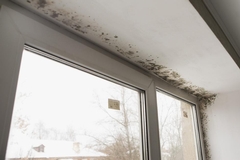
For homeowners in Boston, MA, this scenario might not be uncommon given the city's varying climate. With this water intrusion, many are left wondering just how long it takes for mold to form. This question isn’t only about aesthetics or a damp musty smell; it’s about ensuring the safety and health of your home. At DryBoston, offering comprehensive disaster restoration services in Boston and nearby vicinities, we recognize the urgency and importance of addressing water leaks before they escalate into a mold problem.
Mold growth can occur rapidly, and it’s critical to understand the timeline for its development, especially following water damage. Mold isn’t just a household nuisance; it’s a potential health hazard. Understanding its growth timeline is essential for effective prevention and response. This blog will delve into the most pressing concerns, how quickly mold can form after a leak, the health implications, and essential steps to prevent and address the problem. We’ll also discuss how DryBoston’s specialized services can transform an overwhelming situation into a manageable one.
The Mold Growth Timeline: What to Expect
When water leaks occur, time is of the essence. Mold starts its growth cycle almost immediately when conditions are favorable—meaning where there’s moisture, warmth, and a food source like wood or drywall.
Stage 1: Immediate Response to Water Leaks
As soon as water leaks, the clock starts ticking. Within the first 24 to 48 hours, mold spores, ever-present in the air, begin to settle. These spores require moisture to grow, and unfortunately, a water-damaged area becomes an excellent breeding ground. It’s within this timeframe that wet carpet, walls, and flooring should be thoroughly dried to prevent the conditions that mold loves.
- Action Step: Act fast by removing standing water and using fans or dehumidifiers. Contact water damage restoration professionals in Boston and its neighboring areas to help assess the extent of water penetration and ensure complete drying of affected areas.
Stage 2: Initial Mold Growth
Within 48 to 72 hours, mold colonies can become visible. These are the initial stages of mold growth, and they often show up as small spots on surfaces that remain damp.
- Signs: Look for discoloration on walls, floors, or ceilings, and be aware of any musty odors that indicate mold growth is underway.
Stage 3: Mold Colony Establishment
By the third day and onward, if unchecked, mold can firmly establish itself. At this stage, it may become a visible problem and can spread quickly to other areas that are damp.
- Action Step: At this point, professional mold remediation may be necessary. Mold removal and remediation are critical to ensure that mold is not only removed but that the environment is treated to prevent future outbreaks.
Health Risks Associated with Mold Exposure
Mold exposure can lead to a variety of health issues, especially for those with respiratory conditions or weakened immune systems. Common symptoms include sneezing, coughing, skin irritation, and more severe reactions in individuals with asthma or allergies.
Addressing the Health Concerns
- Preventive Measures: Ensuring proper ventilation and using air purifiers can help minimize the risk in the home environment. If you suspect mold, professional testing is advised to determine the type and extent of mold present.
Navigating Mold Prevention and Remediation
Understanding how long it takes for mold to form after water leaks allows for better preparation and timely intervention. Here are some strategies to help prevent and manage mold growth post-leak:
Preventative Strategies
- Regular Inspections: Check plumbing and areas prone to moisture regularly to identify potential leaks early.
- Moisture Control: Use dehumidifiers in basements and other damp areas. Repair leaks immediately, and keep relative humidity levels below 60%.
- Structural Enhancements: Consider waterproofing basements and other prone areas to prevent seepage.
Effective Mold Remediation
When mold is detected, professional remediation services like those offered by DryBoston become crucial. These services not only remove existing mold but also address the underlying moisture issues to avoid recurrence:
- Expert Intervention: Hire experts for mold removal and remediation in Boston, MA, who can perform detailed inspections and safe disposals of contaminated materials.
Steps in Professional Mold Remediation
- Assessment: Conduct thorough inspections using advanced technology to detect mold in hidden areas.
- Containment: Isolate affected areas to prevent the spread of mold.
- Removal: Utilize specialized equipment to remove mold safely, including HEPA vacuums and antimicrobial treatments.
- Restoration: Repair and replace any damaged structures to restore the area's integrity and appearance.
Your Next Steps: Partner with Professionals
How long it takes for mold to form after a water leak can vary, but by acting promptly, you can mitigate the risk of extensive mold growth and its associated health issues. If you're facing mold issues post-leak, or simply want to fortify your home against future problems, DryBoston offers comprehensive services across the region, including mold removal and remediation in Brookline and beyond.
Our team is just a call away, ready to assist with every stage of your water damage and mold remediation needs. Don’t wait for a small leak to turn into a major health hazard. Contact DryBoston today to protect your home and health. Let us help you tackle mold effectively and restore your peace of mind.