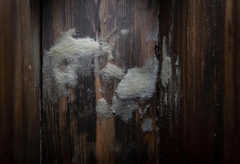
White mold is a term that often strikes fear into homeowners, conjuring images of ruined walls and damaged belongings. Its presence can signal underlying moisture problems that pose significant risks to both property and health. When it comes to dealing effectively with such mold issues, property damage restoration in Boston and its neighboring areas is essential. Within this post, we're going to explore what white mold is, why it's a concern, the common catalysts for its growth, and practical solutions for prevention and remediation. By the end, you'll have a clear understanding of how to tackle this persistent problem.
Understanding White Mold
White mold refers to a collective group of fungal species that appear powdery white when they colonize organic materials. Unlike the notorious black mold, which is often associated with severe health threats, white mold is less aggressive but should not be underestimated. White mold typically thrives in humid or moisture-laden environments, often finding its way into homes through walls, ceilings, basements, and attics.
What Makes White Mold Thrive?
Many factors contribute to the proliferation of white mold. Often, poor ventilation, leaks, and high humidity are the primary culprits. In essence, any environment that provides the right mix of moisture, warmth, and food source, such as wood, carpeting, or furniture, can become a breeding ground for this resilient fungus. Understanding these conditions is crucial for prevention and control.
The Risks of White Mold
Although less toxic than black mold, white mold poses its own set of risks. Prolonged exposure can irritate the eyes, skin, and respiratory system. Individuals with allergies or asthma may find their symptoms exacerbated by the presence of mold spores in the air. Additionally, white mold can damage the structure of your property, weakening wood and other building materials, which could lead to costly repairs or even safety hazards.
Identifying White Mold Growth
Spotting white mold early can save time, money, and health complications. It often appears as fluffy, white patches that can be mistaken for dust or dirt. A mold test can confirm the presence and type of mold within your home, and professional mold removal and remediation can address the issue effectively. If you notice persistent musty odors or mysterious white spots, it's time to investigate further.
Steps for Preventing White Mold
Preventing mold begins with controlling the environmental factors that contribute to its growth. Taking proactive steps can help safeguard your property and health. To help with prevention, consider the following:
- Check and Fix Leaks: Regularly inspect your home for leaks, especially in areas prone to moisture, such as the basement and bathroom.
- Maintain Good Ventilation: Ensure that your home's ventilation is efficient to control humidity levels. Installing dehumidifiers can also regulate moisture.
- Proper Insulation: Seal windows and doors to prevent moisture from entering your home, especially during rainy or snowy seasons.
- Clean Regularly: Keeping spaces clean minimizes the organic material that mold uses as a food source.
- Monitor Humidity Levels: Use a hygrometer to ensure indoor humidity remains between 30-50%.
Taking these points into account, maintaining a mold-free environment becomes more manageable, reducing the likelihood of encountering the persistent challenge that is white mold.
Treatment Options for White Mold
When prevention isn't enough, and white mold appears, action is necessary. While some small-scale infestations can be managed by homeowners, large-scale invasions demand professional intervention. Effective treatment not only focuses on eliminating the existing mold but also on addressing the underlying causes to prevent recurrence.
DIY Solutions
For minor mold outbreaks, household solutions like vinegar or baking soda can be effective. However, for visible mold larger than 10 square feet, it's best to consult professional services. Attempting to handle extensive mold growth without proper knowledge or equipment can inadvertently spread spores or exacerbate the situation.
Professional Mold Remediation
Mold removal and remediation in Boston, MA, provided by companies like DryBoston, involve a thorough assessment to identify the mold type and extent of infestation. Professionals use specialized equipment and techniques to effectively remove mold and ensure that it does not return. They may also offer post-removal services such as air duct cleaning to improve indoor air quality.
Navigating Mold Challenges with Professional Support
White mold can seem daunting, yet with the right knowledge and resources, it becomes manageable. By understanding the causes and risks, you can take appropriate action to protect both your home and health. Engage with professional services like DryBoston, which are experienced in property restoration and equipped to handle such issues efficiently.
Whether you require mold removal and remediation or other restoration services like water damage restoration in Norwood, the expertise available ensures peace of mind. This level of professional support can make a significant difference in maintaining the integrity and safety of your home.
By staying informed and proactive, you empower yourself to tackle potential mold problems head-on. Within the shadows where mold thrives, there is always a way to reclaim space with expert guidance and timely intervention. Contact us today!