How to Dry Rug After Flood and Prevent Mold - 5 Helpful Tips
Flooding can transform a cozy living room into a soggy mess in a matter of hours. If you’ve ever experienced a flood in your home, you know how crucial it is to act quickly, especially when it comes to your flooring. The carpet, in particular, can be a breeding ground for mold if not properly dried out. This blog post will unravel the mysteries of how to dry a rug after a flood and shield your home from the insidious growth of mold. In the bustling state of Massachusetts, where sudden rainstorms are not uncommon, having a plan for emergency restoration in Boston is crucial to maintaining peace of mind and home health.
As you read on, you’ll discover five pivotal tips to help dry out your rugs and prevent mold growth. These strategies not only ensure the longevity of your carpets but also safeguard your home environment. In the sections that follow, you'll delve into practical steps and professional solutions that underscore the importance of acting swiftly and effectively in the face of water damage.
Understanding the Immediate Aftermath of Flooding
Once the floodwaters recede, homeowners are left with the daunting task of cleaning up. The first step is to understand the extent of the damage, which can range from damp carpets to fully submerged floors. In this initial phase, it's crucial to be aware that time is of the essence. The longer the carpet stays wet, the more susceptible it becomes to mold and mildew.
Mitigating further risks begins with removing any standing water as quickly as possible. Using equipment like wet vacs can help extract water faster than manual methods. It's also beneficial to lift the carpet from the floor to allow air to circulate underneath. Acting promptly in the immediate aftermath can significantly impact the success of the drying process and mold prevention.
Five Essential Tips to Dry Rugs and Prevent Mold
Let's explore five critical tips to get your rugs from wet and mold-prone to dry and safe. This list has been carefully curated to provide a reliable roadmap in what might feel like an overwhelming situation.
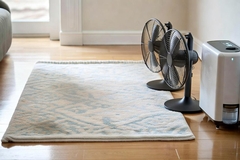
- Utilize Proper Ventilation: Open windows and doors to let fresh air circulate through the room. Set up fans to enhance airflow, aiming them directly at the wet carpet areas. The combination of natural and mechanical ventilation speeds up the drying process while reducing humidity.
- Employ Dehumidifiers: High humidity levels can be a catalyst in mold growth. Use dehumidifiers to draw moisture out of the air. Placing them in the most affected areas overnight can drastically reduce the room’s overall moisture, enhancing drying efficiency.
- Switch to Absorbent Materials: Use absorbent towels or materials to blot excess water from the carpets. Regularly change the towels as they become saturated. This method is particularly useful in the initial stages when dealing with puddles on the surface of the rug.
- Seek Professional Equipment: Consider renting professional-grade fans and carpet driers. These machines operate with greater power and can significantly cut down drying time. If available in your area, reaching out to companies providing water damage restoration services in Boston and its nearby locales can offer both the equipment and expertise needed.
- Apply Safe Cleaning Solutions: To prevent mold and bacteria, treat your carpet with a non-toxic, mold-prevention spray or solution. These products are designed to create an environment inhospitable to mold spores while being safe for household use.
By taking these actions, you not only address immediate concerns but also lay the groundwork for long-term protection against mold growth.
Understanding Mold and Moisture
Mold thrives in damp, dark environments, feeding off organic materials such as dust, wood, and even the fibers of your carpet. Once the rug is saturated, moisture seeps down and creates a haven for mold if not promptly addressed. The task is twofold: eliminate moisture and ensure the rug and its underlayment are completely dry.
Beyond visual inspections, homeowners should consider investing in moisture meters to assess unseen dampness levels. Persistent moisture can lead to repeated mold outbreaks, presenting health risks and structural damages over time.
Why Professional Restoration Is Often Necessary
While DIY approaches are beneficial, they may not suffice, particularly if you face extensive flooding. Professional water damage restoration teams, like DryBoston, possess the tools and expertise needed for thorough cleanup. Equipped with industrial-grade equipment, they can navigate the complexities of drying and restoring even the most challenging situations.
Professional services ensure all layers of the carpet, including the padding and flooring beneath, are addressed. This detailed approach involves intricate measures that guarantee complete dryness and cleanliness. Through professional intervention, not only can you manage water damage, but you also gain peace of mind knowing mold prevention is handled expertly.
Beyond Drying - The Role of Continuous Monitoring
Once you've dried your carpets, ongoing vigilance remains critical. Regular inspections help catch any resurgent moisture or potential mold growth before it worsens. Tech-savvy solutions, such as smart humidity sensors, can act as early warning systems, alerting you to unfavorable conditions that could promote mold.
Equally important is revisiting and replacing any damaged materials beyond the rug. Any compromised walls or baseboards, if left unaddressed, can become sources of mold that spread back to your clean carpet, rendering your initial efforts useless.
Ready to Transition From Crisis to Comfort?
Attention to detail after a flood goes a long way in safeguarding your home environment. When confronted with the challenge of how to dry rug after flood, it’s clear that taking swift action can stave off further damage. As a homeowner, your proactive response is pivotal to recovery, preserving the integrity of your living spaces, and ensuring health concerns are minimized.
If you reside in Massachusetts and require assistance, remember that mold removal and remediation in Braintree or the surrounding areas, is just a call away. DryBoston stands ready to offer comprehensive solutions to all your flood-related inquiries and needs, lending both expertise and assurance in restoring your home to its original beauty.
For reliable services and unparalleled expertise in dealing with water disasters, contact DryBoston to support your water amage restoration efforts in Brookline and other nearby cities. Whether you’re looking to recover from flood damage or prevent future issues, our team is equipped to guide and assist you through every step of the restoration process.