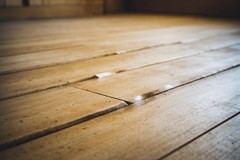
Few things catch a homeowner off guard quite like noticing that the once flat, smooth boards underfoot have begun to lift, cup, or bulge. A swollen wood floor is one of the most common signs that moisture has found its way into your home, and it rarely fixes itself. Wood is a porous, natural material, and when it absorbs excess water, it expands. Left unaddressed, that swelling can lead to warping, buckling, and even mold growth beneath the surface. If you are dealing with this issue, our team offers disaster restoration services in Boston, MA to help you get back to normal quickly.
Understanding why your floor swelled in the first place is the key to choosing the right repair path. Sometimes the fix is as simple as drying the area thoroughly, while other situations call for board replacement or a deeper look at hidden water sources. In this guide, we will walk through the common causes, the warning signs, and the practical repair options available to you.
What Causes a Swollen Wood Floor
Moisture is almost always the culprit behind a swollen wood floor, but the source of that moisture can vary widely. A burst pipe, an overflowing dishwasher, or a leaking refrigerator line can release enough water to soak into the flooring within hours. Even a slow, unnoticed leak under a sink can wick into surrounding boards over weeks, causing gradual swelling that seems to appear out of nowhere.
Humidity is another frequent contributor, especially in older Boston homes where basements and lower levels tend to hold moisture. When indoor humidity stays high for extended periods, wood absorbs airborne moisture and expands. Flooding from heavy storms, foundation seepage, and appliance malfunctions all add to the list. In many cases, the water damage begins beneath the surface, which is why professional moisture detection matters so much before any repair begins.
Recognizing the Warning Signs Early
Catching moisture problems early can mean the difference between a minor repair and a full replacement. The most obvious sign is visible swelling, where boards rise at the edges or push together in the middle. This is often described as cupping when the edges are higher than the center, and crowning when the center rises above the edges. Both indicate that the wood has taken on more moisture than it can handle.
Other clues include a spongy or uneven feeling when you walk across the room, gaps appearing between planks, or a musty smell that suggests moisture is lingering below. Discoloration and dark staining can also point to water that has been present for some time. If you notice any of these signs, it is wise to act quickly, because trapped moisture creates ideal conditions for mold. Our team can perform mold removal and remediation in Boston when swelling has led to hidden growth beneath your flooring.
Can a Swollen Wood Floor Be Saved
The good news is that not every swollen wood floor needs to be torn out. Whether your floor can be saved depends on how long the moisture has been present, how much water was involved, and the type of wood or finish. Solid hardwood often has a better chance of recovery than engineered or laminate flooring, which can delaminate once water penetrates the layers.
If the swelling is caught early and the moisture source is stopped, controlled drying can sometimes return the boards close to their original shape. This process involves specialized equipment such as air movers, dehumidifiers, and moisture meters that track progress over several days. Rushing this step or drying too aggressively can cause additional cracking, so professional guidance helps protect your investment. When the damage is severe, however, replacement of the affected boards or the entire floor may be the only lasting solution.
Your Repair Options Explained
Once the extent of the damage is understood, there are a few paths forward. The right choice balances cost, appearance, and how much of the flooring has been compromised.
- Drying and monitoring: For minor swelling caught quickly, thorough professional drying may allow the wood to return to an acceptable condition without replacement.
- Sanding and refinishing: After the floor is fully dry, light cupping or crowning can sometimes be smoothed out by sanding and applying a fresh finish.
- Partial board replacement: When only a section is damaged, matching and replacing individual boards preserves the rest of the floor.
- Full replacement: Severe buckling, delamination, or widespread moisture usually calls for removing and installing new flooring.
Whatever route your situation requires, addressing the underlying water source first is essential. Repairing or replacing a floor without solving the leak or humidity problem will only lead to the same issue returning. This is where a comprehensive approach makes a difference, combining moisture control with restoration and, when needed, reconstruction services in Boston to rebuild affected areas properly.
How Professional Restoration Helps
Do it yourself drying may seem tempting, but wood floors hold moisture in ways that are not always visible on the surface. Water can travel into the subfloor, along joists, and into wall cavities, creating problems that surface fans and towels simply cannot reach. A professional team uses moisture mapping to find every affected area and industrial drying equipment to remove water at the correct rate.
Just as important, restoration professionals understand how to prevent secondary damage like mold and structural weakening. Our crew responds to homes throughout Boston and the surrounding areas, assessing the full scope of the problem before recommending repairs. If your issue stems from a larger event, our flood and water damage restoration in the Boston area is available around the clock to stabilize your home and begin the drying process without delay.
Preventing Future Swelling
Once your floor is restored, a few simple habits help keep it from happening again. Maintaining indoor humidity in a moderate range reduces the amount of moisture the wood can absorb, and a dehumidifier in damp basements or ground floors goes a long way. Wiping up spills promptly, checking appliance connections periodically, and inspecting under sinks for slow leaks all reduce the risk of a repeat problem.
Seasonal awareness matters too. New England winters bring dry indoor air from heating systems, while summer humidity can cause boards to expand slightly. These natural shifts are usually harmless, but they become an issue when combined with a leak or flooding. Staying attentive to how your floors feel and look throughout the year helps you catch trouble before it becomes costly.
A swollen wood floor is a clear signal that moisture needs attention, but it does not have to mean disaster. By identifying the cause, acting quickly, and choosing the appropriate repair, most homeowners can restore both the beauty and the integrity of their floors. Early intervention almost always saves money and preserves more of your original flooring.
If you are noticing warping, cupping, or that unmistakable spongy feeling underfoot, do not wait for the problem to spread. Our team also provides trusted water damage restoration in Wellesley and neighboring communities, bringing the same care and expertise to every home we serve. Reach out for an assessment, and let us help you protect your floors and your peace of mind.