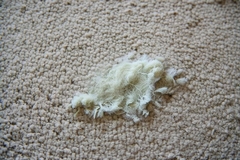
Have you ever stepped into a damp basement and been greeted by the sight of white, powdery patches on the walls or floor? If so, you may have encountered white mold. Not only can white mold be unsightly, but it can also pose risks to your home and health. Fortunately, services like property damage restoration in Boston, offered by companies like DryBoston, can efficiently help to address these issues. This blog post will explore the causes of white mold, the risks it presents, and the various treatment options available, equipping you with the knowledge to maintain a safe and healthy living environment.
Understanding White Mold
White mold is a term used for several types of fungi that appear in a fluffy or powdery texture, often white or off-white in color. It's commonly found in damp environments such as basements, crawl spaces, or any area with poor ventilation. Unlike black mold, which is more widely recognized due to its association with severe health issues, white mold can be more discreet, thriving in hidden corners until moisture control measures bring it to attention.
So, what causes white mold to develop? Excessive moisture is the primary culprit. This could result from water leaks, high humidity, or inadequate ventilation. Homes in regions with humid climates or frequent rainfall are particularly susceptible. Additionally, during winter months, homeowners may inadvertently contribute to mold growth by sealing windows and doors to conserve heat, thus reducing airflow.
Health Risks Associated with White Mold
While not all white mold species pose significant health risks, some can still cause allergic reactions or irritate existing respiratory conditions. These reactions can include sneezing, coughing, skin rashes, and more severe symptoms like asthma attacks in sensitive individuals. Homes with infants, elderly residents, or those with compromised immune systems should be especially vigilant in preventing and removing mold.
Moreover, apart from health issues, white mold can damage building materials by breaking down organic matter in wood, wallpaper, and drywall. This deterioration leads to structural damage over time and can depreciate the property's value.
Identifying White Mold in Your Home
Identifying the presence of white mold requires careful observation and sometimes professional assessment. It's important to differentiate it from efflorescence, which is a crystalline deposit of salts often mistaken for white mold. Efflorescence dissolves easily in water and isn't harmful to health, unlike mold.
While it's possible to identify mold by sight and odor, sometimes its presence might only be detected through musty smells or areas of the home feeling damp consistently. When in doubt, hiring professionals to conduct mold testing ensures accuracy and the implementation of effective removal strategies.
Treatment Options for White Mold
Treating white mold starts with addressing the source of moisture. Without resolving the underlying causes, any removal efforts may only offer temporary relief. Let's explore some common strategies for effective white mold treatment.
- Moisture Control and Ventilation: The first step in mold treatment is to reduce humidity levels. Repair any leaks and improve airflow in your home by using dehumidifiers or installing exhaust fans where necessary. This creates an environment less conducive to mold growth.
- Professional Mold Removal and Remediation: For substantial infestations, consider hiring experts in mold removal. Companies offering mold removal and remediation in Boston and its surrounding areas, like DryBoston, provide thorough inspections and ensure molds are eliminated from every nook and cranny.
- Cleaning and Disinfection: Small areas of white mold can often be cleaned using household products like vinegar or baking soda. Ensuring that surfaces are thoroughly dried post-cleaning prevents mold from returning.
- Preventative Measures: After successful removal, preventive steps are crucial. Regular inspection of vulnerable areas, maintaining adequate ventilation, and using moisture-resistant materials can help safeguard against future occurrences.
Choosing the Right Professional Services
When it comes to tackling white mold, professional intervention can save you time and ensure the work is completed to the highest standard. Restoration companies that specialize in mold remediation understand the complexity of mold behavior and provide tailored solutions. Additionally, they utilize advanced equipment and safe cleaning agents to offer effective long-term results.
DryBoston, a reputable service provider, can address white mold issues with services like reconstruction or biohazard cleanup. Their expertise extends beyond immediate removal to implementing robust strategies for future prevention.
Geographical Considerations
Living in Boston, MA, presents its own set of challenges regarding mold, due to the city's variable climate. However, with access to effective mold removal services, homeowners can manage these challenges adequately. Storm damage repair services in areas like Cambridge can also play a vital role in mitigating mold risks caused by water infiltration during severe weather.
Keeping Your Home Mold-Free
Now that you understand the causes, risks, and treatment options for white mold, it's important to remain vigilant in monitoring your home's environment. Regular maintenance and early intervention are key to preventing mold from taking hold. Whether inspecting your basement for leaks or ensuring your attic is properly ventilated, these actions contribute to a healthier home space.
Should you encounter a mold issue that seems beyond your control, reaching out for professional assistance can make all the difference. DryBoston stands ready to provide the expertise in property restoration and mold remediation to keep your home safe and sound. Don't hesitate to contact them to address any concerns related to mold or other restoration needs.