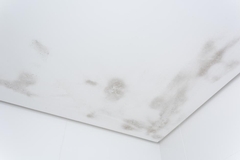
Mold on a bathroom ceiling is a common but concerning issue that many homeowners face. It not only affects the aesthetics of your space but can also pose significant health risks and cause structural damage if left unchecked. Understanding how to remove mold from the bathroom ceiling effectively is crucial, especially in a humid and densely populated area like Boston, MA. Here, residents benefit greatly from disaster restoration services in Boston and beyond, allowing them to combat this persistent problem. In this guide, we'll explore comprehensive methods to eliminate mold from your bathroom ceiling and offer insightful tips on preventing its unwelcome return.
Mold thrives in moist, warm environments where ventilation is poor - conditions that perfectly describe many bathrooms. For Boston homeowners, the chilly winters can exacerbate the problem as your bathroom retains warm air just a little longer than the main spaces. This article will delve into practical steps for mold removal and delve into solutions aimed at long-term prevention, ensuring a healthier home environment.
Identifying Mold on Your Bathroom Ceiling
Before embarking on the task of mold removal, it’s important to correctly identify it. While mold can appear in various colors, black, green, and brown are among the most common hues seen on ceilings. Additionally, a distinctive musty odor often accompanies it. If you notice discoloration on your bathroom ceiling or these telltale odors, it’s likely you’re dealing with mold.
There are two types of mold that generally affect bathroom ceilings: mildew and black mold. While mildew is easier to clean, black mold can be toxic and requires more comprehensive treatment. Consulting with a professional, like those who offer mold removal and remediation services in Boston, is wise, particularly if you suspect a serious mold problem.
Steps to Remove Mold From Bathroom Ceiling
Removing mold from a bathroom ceiling can be a DIY project, but severe cases may require professional intervention. Always wear protective gear, such as gloves, goggles, and a mask, while dealing with mold. Here's a step-by-step guide to help you tackle this task:
Prepare Your Space
Start by ensuring your bathroom is well-ventilated. Open the windows and doors and turn on fans to prevent mold spores from spreading to other parts of your house. Cover any cabinets or fixtures with plastic to avoid contact with cleaning agents.
Choose the Right Cleaning Agent
A mixture of water and bleach is effective for cleaning mold. For a less harsh alternative, you can use a solution of white vinegar and water or specially formulated mold removal products. The type of mold and ceiling material may dictate the cleaning agent choice.
Clean the Affected Area
Dip a sponge or cloth into your chosen cleaning solution and apply it to the moldy area. Rinse the sponge or cloth frequently to avoid spreading mold spores. Do not oversaturate the ceiling, as this can cause further damage.
Scrub Gently
Use a soft brush or sponge to scrub the mold gently. Harsh scrubbing can damage paint or plaster. After scrubbing, rinse the area with clean water and dry it thoroughly with a dry cloth to prevent moisture buildup.
Consider Applying Sealant
Once dry, apply a mold-resistant sealant to the ceiling. This layer will help prevent mold from returning. You might also consider repainting with mold-inhibiting paint for additional protection.
Key Tips for Preventing Mold From Returning
While knowing how to remove mold from a bathroom ceiling is essential, preventing its recurrence is equally important. Post-removal, consider the following preventive measures.
- Improve Ventilation: Ensure your bathroom is well-ventilated. Install an exhaust fan if there isn’t one. After showers or baths, keep the fan running until the room is dry.
- Control Moisture Levels: Address any plumbing leaks immediately and ensure your bathroom is properly sealed. Mold can thrive on the moisture condensation produces, so aim to keep relative humidity below 60%.
- Regular Cleaning: Clean bathroom surfaces regularly, focusing especially on areas prone to moisture like the ceiling, tiles, and corners. Regular maintenance prevents mold from gaining a foothold.
- Invest in a Dehumidifier: For especially damp bathrooms, a dehumidifier can help keep the air dry and make the environment less appealing for mold.
Recognizing When to Call Professionals
DIY mold removal can be empowering, but it’s not always the safest or most effective option, especially for large infestations or stubborn mold types like black mold. In cases where the mold persists despite your best efforts, calling in experts for mold removal and remediation in Boston, MA can save not only time but also potential health concerns. In addition to mitigating the immediate problem, such services often include an analysis of underlying issues that may be contributing to mold growth.
Understanding the Risks Associated with Mold
Ignoring mold can lead to a host of problems. Over time, it can compromise the structural integrity of your home, leading to costly repairs. More immediately, exposure to mold can cause health issues such as allergies, asthma attacks, and other respiratory problems. Therefore, understanding how to remove mold from a bathroom ceiling effectively and prevent its return is crucial not only for the maintenance of your home but also for the health of its inhabitants.
Encouraging Proactive Measures
By being proactive, you can contribute to preventing mold in the first place. This isn’t to say every occurrence of mold is preventable, but you can significantly reduce its likelihood by maintaining good ventilation and controlling moisture. It requires effort, but the repercussions of neglecting it can be significant.
Consider Professional Services for Lasting Solutions
Mold is a resilient adversary, often requiring tackling beyond just surface-level remedies. Contacting professional services like DryBoston can provide a longer-lasting solution. Offering a variety of disaster restoration approaches, they are equipped with the techniques needed for both effective removal and preventative measures. For residents needing home remodeling in Quincy to address mold-related damage, tapping into specialized expertise ensures thoroughness and peace of mind.
Whether you’re dealing with minor mold or a more severe infestation, understanding both the steps for removal and preventative measures is key to maintaining a mold-free bathroom ceiling. For comprehensive assistance beyond DIY methods, consider reaching out to DryBoston, where experienced professionals are at the ready to return your space to safe and clean conditions. Always remember, a healthy home is a happy home.