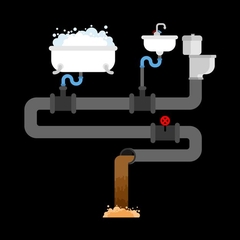
Imagine walking into your basement and finding it flooded with raw sewage. It's not only unpleasant but potentially dangerous. This scenario begs the question: Is sewage a biohazard? The answer is crucial because it impacts not only the health of your household but also the procedures used by disaster restoration services in Boston and its nearby locations. Sewage contains a mixture of waste, chemicals, and water that poses serious health risks. Understanding these risks can help you make informed decisions about safety and appropriate remediation measures.
Whether it's due to a natural disaster or a plumbing issue, sewage backups can lead to numerous health hazards. In this blog post, we'll explore what constitutes a biohazard, the health risks associated with sewage exposure, specific scenarios when sewage becomes hazardous, and what steps should be taken during clean-up. This information is vital for homeowners and businesses alike, especially those in locales like Boston, where infrastructure and weather patterns can often lead to such unfortunate incidents.
Understanding Sewage as a Biohazard
To properly address whether sewage is a biohazard, we must first define what constitutes a biohazard. Biohazards are substances that pose a threat to human health or the environment due to the presence of biological agents like viruses, bacteria, or other microorganisms. Sewage is typically rich in such agents because it carries human waste, detergents, food scraps, and sometimes industrial waste.
Why Is Sewage Considered a Biohazard?
- Presence of Pathogens: Sewage often contains harmful pathogens, including bacteria like E. coli, viruses like Hepatitis A, and parasites. These organisms can lead to severe infections, particularly when they come into contact with the skin or enter the body through inhalation or ingestion.
- Chemical Hazards: Industrial waste and cleaning agents flushed down the sewer can add toxic chemicals to sewage. Exposure to these chemicals might cause skin irritation, respiratory issues, or more severe systemic effects.
- Environmental Impact: When sewage contaminates natural bodies of water, it adds excessive nutrients and pollutants that disrupt ecosystems and harm wildlife.
These factors underscore why experts, including professionals offering biohazard clean-up in Boston, stress that sewage needs to be treated with utmost caution.
Health Risks Associated with Sewage Exposure
Understanding the health risks tied to sewage exposure is vital for recognizing the need for professional clean-up and restoration services. Immediate exposure risks include gastrointestinal illnesses from pathogens such as Salmonella and Staphylococcus, while prolonged exposure might lead to severe respiratory illnesses or even chronic health conditions.
Immediate Health Risks
- Infections: Bacteria and viruses in sewage can lead to infections of the skin, eyes, respiratory system, or digestive tract.
- Chemical Concerns: Volatile organic compounds from detergents and pesticides in sewage can cause headaches, dizziness, and nausea upon exposure.
Long-term Health Concerns
Long-term consequences primarily arise from delayed or improper cleanup. Mold generation, due to moisture and organic material from sewage, can cause chronic respiratory conditions. Therefore, relying on professional services for tasks like mold removal and remediation in Boston and its nearby regions is indispensable.
When Does Sewage Become a Biohazard?
While any sewage spill might seem alarming, professionals assess biohazard status based on several criteria:
- Volume and Duration of Exposure: Larger and longer-exposed areas face increased risks, turning a mere nuisance into a biohazard.
- Population Impact: Urban centers like Boston are more likely to classify sewage spills as biohazards due to their potential to affect larger populations and overwhelm local healthcare systems.
- Type of Waste Material: Sewage mixed with industrial chemicals or medical waste increases the environmental and health risks manifold.
Given these complex aspects, the role of experts in comprehensive sewage treatment and clean-up is undeniable. They adopt personal protection measures and employ detailed clean-up protocols to mitigate risks effectively.
List of Immediate Actions During Sewage Backup
- Evacuate the affected area promptly to prevent exposure.
- Contact professional restoration services to assess and address the situation.
- Avoid direct contact with sewage water and wear protective gear if necessary.
- Turn off utilities to prevent any additional hazards, such as electrical shocks.
The Role of Professional Restoration Services
Dealing with sewage is neither safe nor simple, particularly in a bustling region like Boston, where residential and commercial areas coexist closely. Engaging professional services ensures thorough sanitization, minimization of health risks, and restoration of affected areas to safe and livable conditions.
Benefits of Professional Intervention
- Expertise and Tools: Professionals possess the know-how and tools to perform sewage clean-ups safely and efficiently.
- Comprehensive or Specialized Services: Companies often combine services, such as water damage restoration in Quincy and beyond, with sewage treatment, providing holistic solutions to affected homeowners or businesses.
- Legal and Environmental Compliance: Professionals ensure compliance with local regulations regarding waste disposal, ensuring environmental protection and legal peace of mind for property owners.
Restoring Safety and Peace of Mind
When sewage issues arise, it's crucial to act swiftly. Your health and the integrity of your property depend on timely, effective intervention. Let's imagine a scenario in which a severe storm leads to sewage backup in a basement. Here, professional storm damage repair in Wellesley can provide not only immediate relief but also long-term solutions to prevent future occurrences.
So, is sewage a biohazard? The answer is unequivocally yes. The myriad of health risks, ecological concerns, and the need for expert intervention highlight this reality. Even with minimal exposure, taking action is necessary to avoid detrimental effects on your health and home. DryBoston is a leading provider of these essential services, ensuring that Boston, MA residents have access to reliable, expert help when confronted with such hazardous situations.
Whether it's for biohazard clean-up or comprehensive disaster restoration solutions, the expertise and accessibility of companies like DryBoston make them an invaluable resource. Don't leave such critical health and safety issues to chance; reach out to the experts to secure your home and well-being.