Few problems in a home are as unpleasant, and as hazardous, as raw sewage pushing up through drains during a heavy storm. When floodwaters overwhelm a municipal system, wastewater has nowhere to go but backward, and that often means into basements, laundry rooms, and lower-level bathrooms. If you have ever wondered how to prevent sewage backup during flood, you are asking exactly the right question before disaster strikes rather than after. For homeowners who need emergency restoration in Boston, MA, the difference between a manageable cleanup and a full-scale ordeal usually comes down to preparation.
Sewage backup is not just a mess. It carries bacteria, viruses, and contaminants that pose real health risks, and it can damage flooring, drywall, and belongings within hours. The good news is that with a few practical measures, you can dramatically reduce the odds of sewage entering your home even during the worst New England downpours.
Why Sewage Backup Happens During Floods
Understanding the cause helps you fight it. Most Boston-area homes are connected to a municipal sewer system that also handles stormwater in some older neighborhoods. During a major rain event, the volume of water can exceed what the system was designed to carry. When that happens, pressure builds in the pipes and wastewater seeks the path of least resistance, which is often the lowest drain in your house.
Aging infrastructure, tree root intrusion, and clogged lines all make the problem worse. A pipe that drains slowly on a dry day can fail completely under the strain of a flood. That is why prevention needs to address both the storm outside and the plumbing inside your walls.
How to Prevent Sewage Backup During Flood: The Core Measures
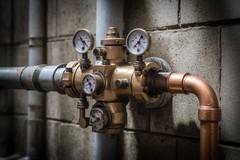
The most reliable answer to how to prevent sewage backup during flood involves installing physical barriers that stop wastewater from reversing course. A backwater valve, sometimes called a backflow preventer, is one of the most effective tools available. Installed on your main sewer line, it allows water to flow out of your home while automatically closing if water tries to flow back in. For homes in flood-prone areas, this single upgrade can prevent thousands of dollars in damage.
Sump pumps also play a critical role, especially in basements. A working sump pump with a battery backup can keep groundwater and seepage under control when the power goes out during a storm, which is exactly when you need it most. Test your sump pump before hurricane season and keep the pit free of debris so it can do its job when the rain comes down hard.
Beyond mechanical solutions, keeping your drains and sewer lines clear year-round reduces the risk of a backup. Grease, wipes labeled flushable, and root growth are common culprits behind slow lines that fail under pressure. A periodic inspection by a licensed plumber can catch small blockages before they become emergencies.
Protecting Your Home Before a Storm Arrives
When forecasters warn of heavy rain, a little advance work goes a long way. Move valuables, electronics, and important documents off basement floors and onto shelves or upper levels. If you have a floor drain in the basement, a drain plug or standpipe can add a temporary barrier against low-level backups.
Grading and gutters matter more than most homeowners realize. Water that pools against your foundation puts pressure on your lowest drains and can find its way inside. Make sure downspouts direct water several feet away from the house, and clear gutters so rainwater actually moves where it should. These outdoor steps are part of a complete strategy for how to prevent sewage backup during flood, because reducing the total water load around your home eases the strain on your drainage system.
Here is a quick checklist to run through when a major storm is on the way:
- Confirm your sump pump runs and the backup battery holds a charge.
- Clear gutters and extend downspouts away from the foundation.
- Plug or cap unused floor drains in the basement.
- Elevate stored items and disconnect basement electronics.
- Know where your main water shutoff is located.
What to Do the Moment You Spot a Backup
Even with strong preparation, no system is completely immune to a historic storm. If sewage does begin to back up, safety comes first. Avoid contact with the contaminated water, since it can carry harmful pathogens, and keep children and pets away from the affected area. Shut off electricity to the flooded space if you can do so safely from a dry location, and stop using water fixtures upstairs so you do not add to the volume in the line.
Ventilate the area if possible and document the damage with photos for your insurance company. Then call for professional help quickly. Sewage cleanup is not a job for a mop and bucket, because proper decontamination requires specialized equipment and protective gear. Our team handles flood and water damage restoration throughout the Boston area around the clock, and fast action limits how far the contamination spreads into your floors and walls.
The longer sewage sits, the greater the chance of secondary problems like mold growth. Moisture trapped in drywall and subflooring can lead to spores taking hold within a day or two, which is why prompt drying and remediation matter as much as the initial cleanup.
Long-Term Peace of Mind for Boston Homeowners
Flooding is a recurring reality in Boston and the surrounding areas, and each storm season brings the same risks to homes that have not been fortified. Investing in a backwater valve, maintaining your sump pump, and keeping your sewer lines clear turns an unpredictable threat into a manageable one. Think of these steps as insurance you install rather than insurance you file.
It also helps to build a relationship with a restoration company before you ever need one. Knowing who to call at two in the morning when water is rising saves precious time. Whether the issue is a flooded basement in the city or storm damage repair in Quincy, having a trusted partner ready means you are not scrambling during a crisis.
Ultimately, the answer to how to prevent sewage backup during flood is a combination of smart plumbing upgrades, seasonal maintenance, and a plan for the moment things go wrong. Take the preventive steps now, keep your drainage systems in good shape, and know that professional help is available when a storm pushes your home past its limits. If you have questions about protecting your property or need cleanup after a backup, reach out to DryBoston and let our team help you get back to normal safely and quickly.